Contained extraction of moisture-ruined fill and failed foam across Northwest Arkansas, leaving a bare deck, a findings report, and a fresh start for whatever comes next.
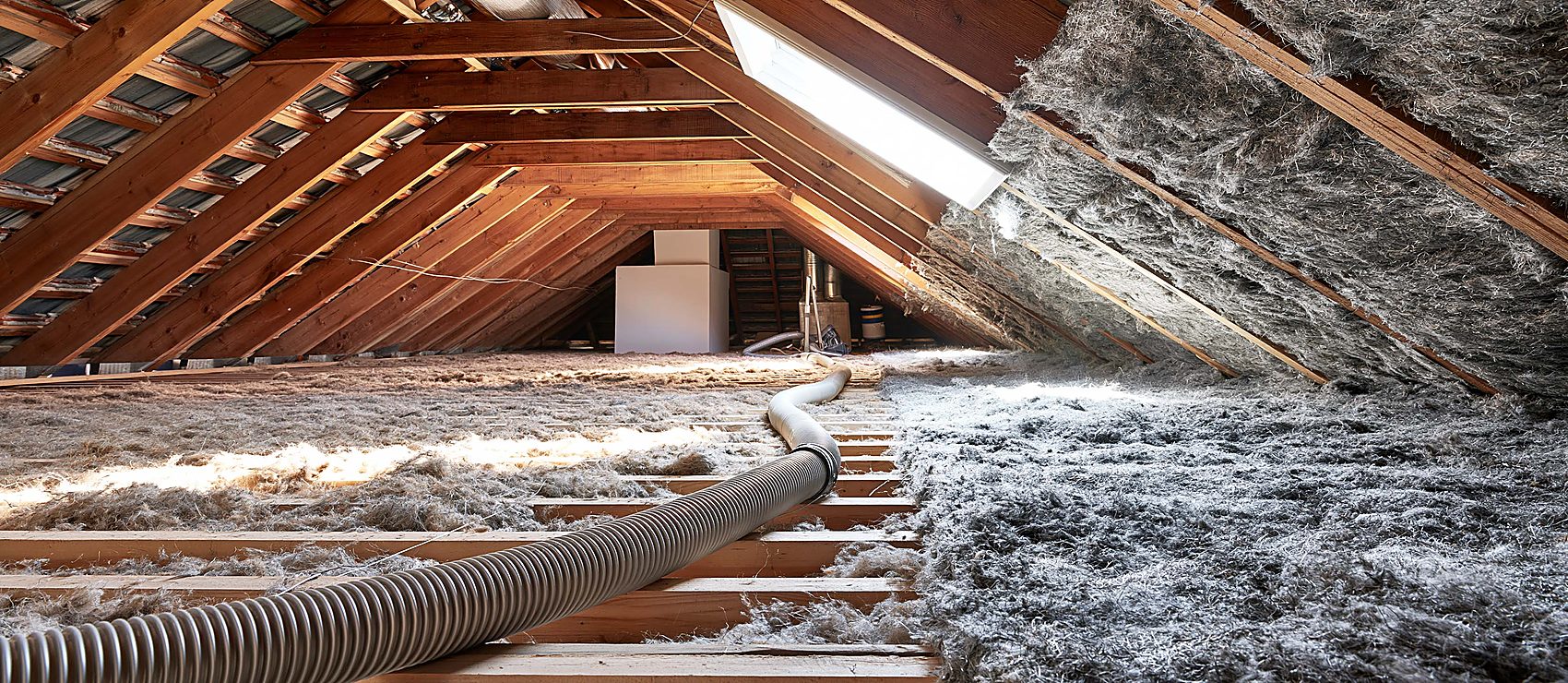
Fayetteville AR Spray Foam is in the addition business most days of the week. But a fair number of Northwest Arkansas attics need subtraction first, because whatever is up there now is holding the house back, and in this climate it is usually holding moisture too.
Insulation removal here splits into two jobs, and we built the service around both. The first is moisture-ruined fill. Fiberglass and blown-in insulation in a humid climate absorb what July hands them, year after year, and a roof leak or a stretch of attic condensation accelerates the process. The material mats down, goes heavy and gray, delivers a fraction of its rated performance, and holds odor and contamination it will never give back. It is not insulation anymore. It is a stored problem.
The second is failed foam, and it is a specialty few companies in this market will touch. DIY kit jobs that went on off-ratio and cured soft, smelly, or shrunken. The wrong product applied to a roof deck. And increasingly, homes where a buyer, seller, or inspector wants a professional assessment of an old foam install before a sale moves forward. We remove foam that should not stay and, just as importantly, we will tell you plainly when what you have is fine.
The removal itself is built to keep the problem contained on its way out:
What you are left with is a bare, inspectable deck, a straightforward report of anything we found along the way, and a house that is finally ready to be insulated properly. What happens next is your call, on your schedule, with no strings attached to the clean-out.
Once the deck is bare, the guesswork is gone. We can see the framing, the wiring, the stains from past leaks, and every gap the old material was hiding, which means the quote for whatever comes next is built from facts instead of assumptions. It is also the cheapest moment air sealing will ever have, with every penetration exposed and reachable before new material goes down. You get the findings and the numbers either way, and there is never an obligation to reinstall with us. The clean slate is the product; what you build on it is up to you.
Attic removal typically runs $1.00 to $2.00 per square foot depending on the material, its condition, and how accessible the space is, with contaminated fill and failed foam landing at the higher end because of the containment and mechanical work involved. Crawl spaces are quoted by the job rather than the foot, since access drives the labor. Every removal is priced firm after we see the space, the walkthrough is free, and the number includes cleanup and haul-away rather than leaving them as surprises.
Yes. Failed foam comes out mechanically, cut and ground back off the framing and sheathing until the surfaces are clean enough for a correct installation, and it is careful, deliberate work rather than fast work. A thin cosmetic residue on rough framing is normal and harmless once the bulk material is gone. Most of what we remove traces back to DIY kits that cured off-ratio or the wrong product applied to the wrong assembly, and both are exactly why this service exists.
It keeps costing you quietly. Matted fill insulates at a fraction of its rating, so the bills stay high, and the moisture and odor it holds keep loading the attic air every humid stretch. Burying it under new insulation locks the contamination in and drags the new material's performance down with it, which is why layering over damaged fill is money spent twice. Removal first is the version of the project that actually ends the problem.
Start with an assessment before anyone assumes the worst. Concerns about spray foam and resale trace largely to overseas coverage of a lending issue involving one product type installed a specific way, and a properly specified American installation is a different situation that an assessment can document. We inspect the install, tell you plainly whether it is sound, and put it in writing. If removal genuinely is warranted, we quote it firm, and either way you walk into the negotiation with facts instead of a headline.
Containment is the whole design of the service. Loose fill travels through a sealed vacuum line directly to collection outside the house, batts and foam are bagged in the attic before they move, the access route below the hatch is protected, and the work area gets a thorough cleanup before we call the job done. The measure of a removal is what the house looks like afterward, and ours is that you cannot tell we were there except by the empty attic.
Yes, and in this climate crawl spaces produce some of the clearest cases for it. Fiberglass hung between floor joists over bare ground absorbs moisture from below until it sags, drops, and molds, and at that point it is doing active harm rather than passive good. We pull the failed material out in sealed bags, leave the underside of the floor clean and inspectable, and the space is then ready for whatever the next step should be, on your timeline.
No, and we mean it. Removal is a complete, standalone service with its own scope, its own price, and a finished result: a clean, bare, documented space. We will hand you a quote for the replacement insulation because you will probably want the number, and we would obviously like the work, but the removal price never depends on saying yes to it. Plenty of customers take the clean slate and schedule the next phase for a different season or budget year.
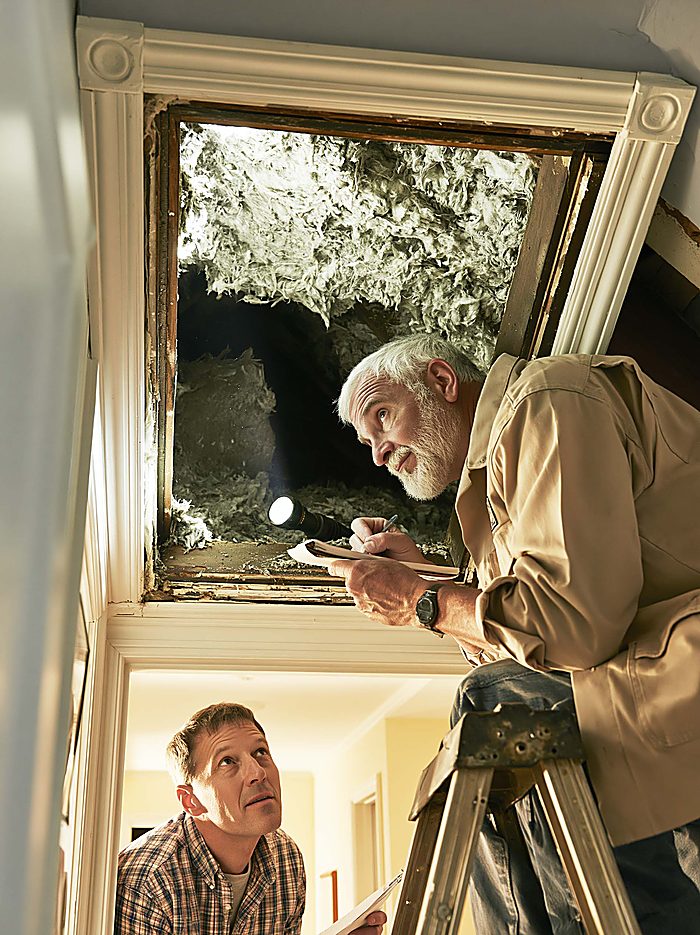
Tell us what is up there now, or send photos if you have them, and we will quote the clean-out firm after one look at the space.
