One sealing pass closes the gaps that leak heat out of the house all winter and let humid air push in all summer, across Fayetteville and all of Northwest Arkansas.
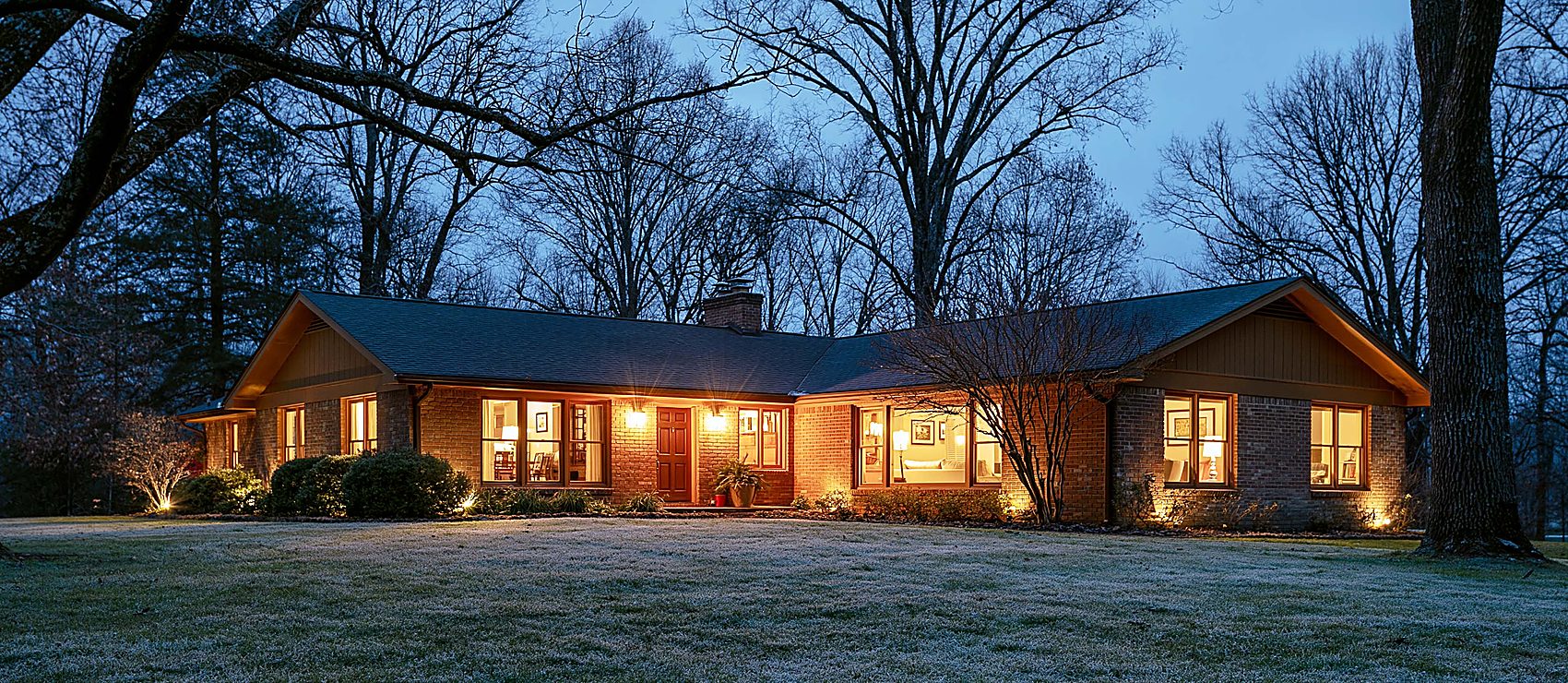
Fayetteville AR Spray Foam writes the same work order for two opposite complaints: the winter house that cannot hold its heat, and the summer house that cannot keep the sticky air out. In Northwest Arkansas those are not two problems. They are one set of gaps, working in whichever direction the season points.
Air sealing closes that set of gaps in a single pass. In January, the heated air in your house rises, escapes through openings high in the structure, and pulls cold outside air in through openings low on the house to replace it, so the furnace spends the winter heating the neighborhood. In July the flow changes character: humid outdoor air presses inward through the same openings, and your air conditioner spends the summer wringing out moisture it should never have met. Same gaps, opposite direction, one fix.
The sealing pass targets the openings that move the most air in a typical Arkansas house:
Every opening gets sealed with the material suited to it, from foam sealant at small penetrations to sprayed coverage across larger gaps, and the work is verified by results you can feel in the rooms and compare on the bills.
Air sealing is also the quiet multiplier behind everything else we install. Insulation slows heat moving through materials; sealing stops air carrying heat and moisture around them. A house that gets both performs the way the R-value on paper always promised, and that is why sealing rides along on so many of our attic and crawl space projects, and stands perfectly well on its own when the budget calls for one high-return step first.
On most quotes, air sealing is one of the smallest numbers on the page and the first one to pay for itself. Added to an attic or crawl space project, it usually shares the same visit and mobilizes no extra crew, which is why we recommend it in the same breath so often. Booked on its own, it is the highest-return single step a tight budget can take, because every sealed gap starts working immediately in both directions. Either way, the work is done once and the dividends repeat every season after.
It depends entirely on scope, which is the honest answer and the useful one. Sealing added to an attic or crawl space insulation project shares the visit and adds a modest line to that quote, while a standalone whole-house sealing pass is priced by the number and type of openings we find during the walkthrough. It is consistently one of the least expensive services we offer relative to what it returns, and the estimate that puts a firm number on it is free.
Yes, and for some houses it is the right first step. If the existing insulation is in decent shape but the house drafts in winter and feels sticky in summer, air movement is the active problem, and sealing addresses it directly at a fraction of a full insulation project's cost. The results arrive immediately in both seasons. When the insulation itself is tired, we will tell you, but sealing never requires new insulation to earn its keep.
More often than people expect. A new house is built to pass inspection, not to be airtight, and standard construction leaves gaps at penetrations, chases, and plate lines that code never required anyone to close. Builders move fast in this market, and sealing is exactly the kind of detail that schedule pressure trims. A recent build with comfort complaints or humidity trouble is a strong candidate, and the walkthrough will show quickly whether the envelope is the cause.
A house can be tighter than its ventilation plan, which is a solvable design question rather than a reason to keep leaking. Very tight homes pair the sealed envelope with controlled fresh-air ventilation, so the house exchanges air on purpose through a filter instead of at random through gaps. For most existing Arkansas homes, sealing brings the envelope from leaky toward reasonable, and we assess ventilation as part of the scope so the house ends up both tight and properly breathing.
Insulation slows heat moving through materials; air sealing stops air moving around and through them, carrying heat and moisture along for the ride. They solve different halves of the same comfort problem, and each one underperforms without the other, because air leaks bypass insulation and uninsulated surfaces waste what sealing saves. That is why the best-performing houses in Northwest Arkansas have both, and why we scope them together whenever the project allows.
Yes. Offices, warehouses, and mixed-use buildings leak air the same way houses do, at larger scale and with larger dollars attached, and sealing is often the highest-return line in a commercial envelope project. For businesses holding a temperature or humidity spec, it pairs directly with our commercial spray foam insulation work, and we scope both in the same site walk with a plan built around your operating hours.
Noticeably, yes. Most summer humidity problems in this region are supply problems: the equipment is fine, but humid air keeps arriving through the envelope faster than the system can dry it. Sealing cuts that incoming supply, so the same air conditioner suddenly holds the house drier and cycles less doing it. Many homeowners who assumed they needed bigger equipment or a whole-home dehumidifier discover the envelope was the issue all along, and sealing costs far less than either.

Tell us where the house feels drafty in January or sticky in July, and we will walk the envelope and price the pass that fixes both.
