Spray foam insulation contractor standing outside a craftsman home on a wooded Ozark hillside

In Fayetteville, AR, Spray Foam Insulation Starts Under the House. Dry Floors, Even Rooms, Lower Bills.

Crawl space encapsulation, closed-cell, and open-cell foam for houses, shops, and new builds across Northwest Arkansas, specified by people who know what a humid Ozark summer does to a vented foundation. Over a decade of industry experience.

Spray Foam Insulation Services for Homes, Shops, and Crawl Spaces Across Northwest Arkansas

Crawl Space Encapsulation

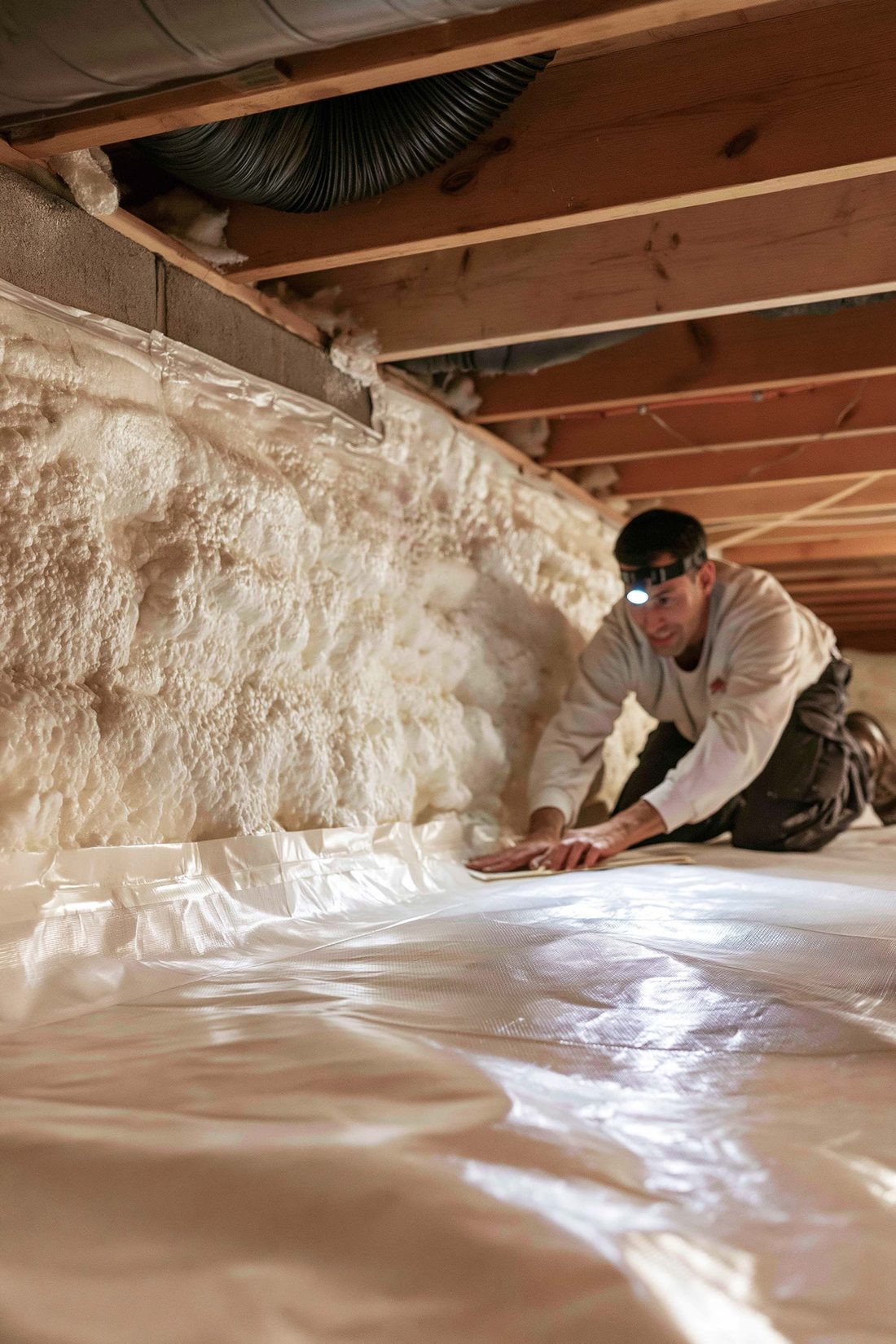
A vented crawl space in a humid Ozark summer pulls damp air straight onto cool floor framing, and that is where mold, rot, and musty rooms begin. We seal the vents, wrap the ground and walls in reinforced vapor barrier, foam the perimeter, and condition the air so the house dries out from the ground up.

See How Encapsulation Works →
Installer smoothing a vapor barrier in a crawl space with foam-coated block walls

Closed-Cell Spray Foam Insulation

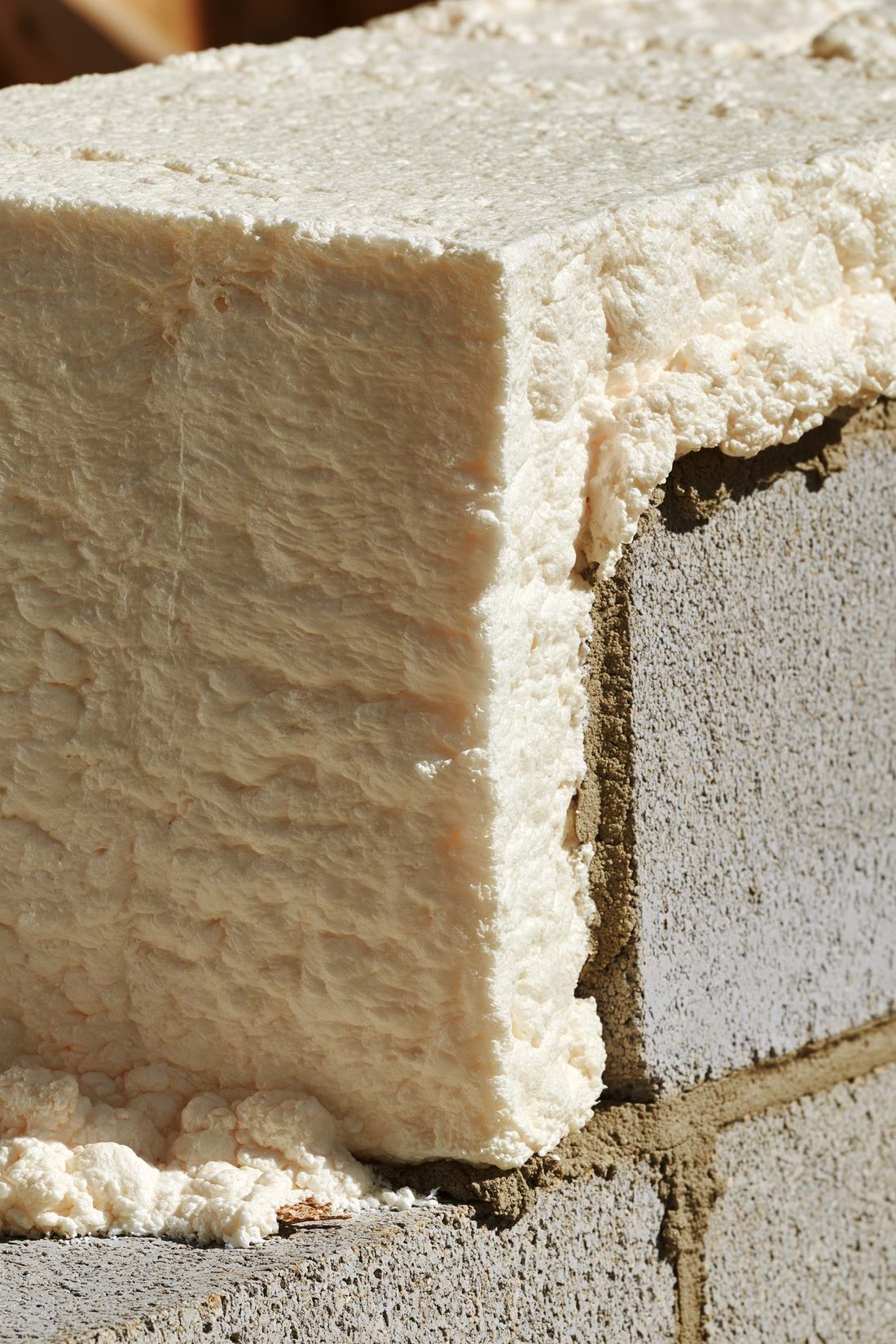
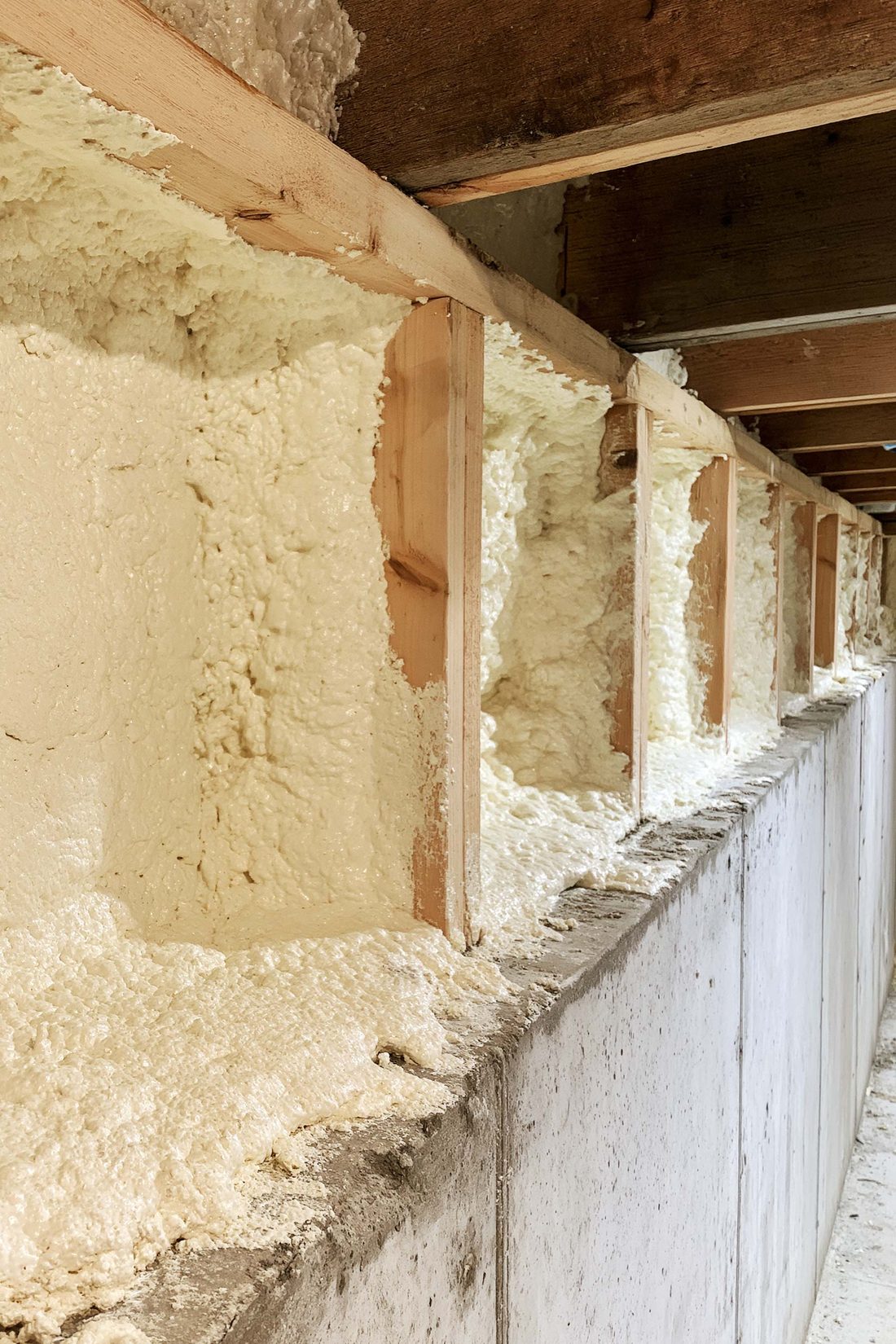
The workhorse for Arkansas moisture. Around R-6 to R-7 per inch, rigid enough to stiffen a wall, and dense enough to stop water vapor once it passes two inches of depth. We put it where the pressure is: crawl space walls, rim joists, and bare metal panels.

Explore Closed-Cell Foam →
Rigid closed-cell foam with a cleanly trimmed edge against a concrete block wall

Open-Cell Spray Foam Insulation

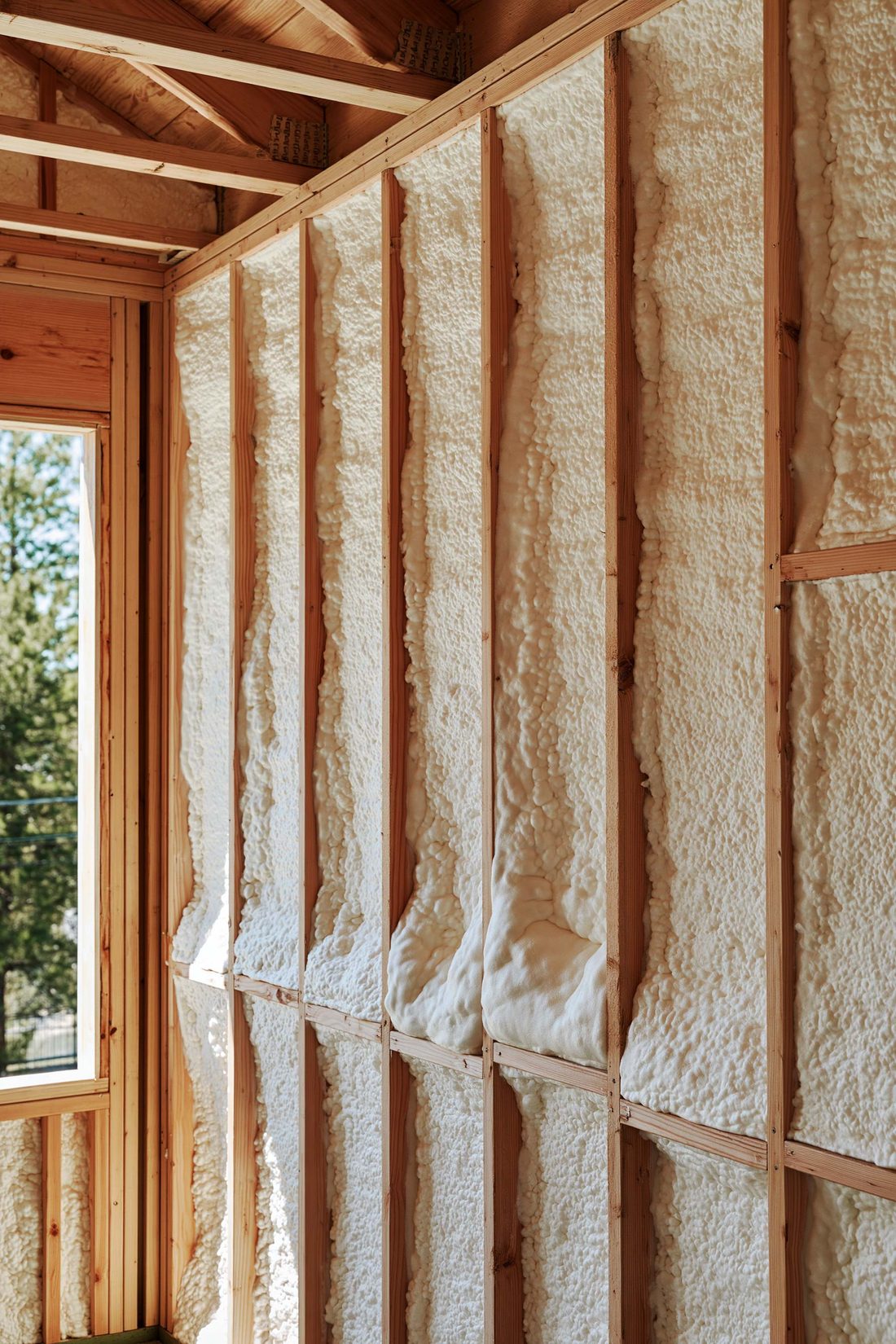
Soft, high-expansion foam that reaches every corner of a deep wall or roof deck cavity and quiets road noise while it insulates. In NWA new builds and older Fayetteville two-stories, open-cell fills framing that batts never fully touch.

Explore Open-Cell Foam →
Soft open-cell foam filling the stud bays of a framed interior wall

Attic Spray Foam Insulation

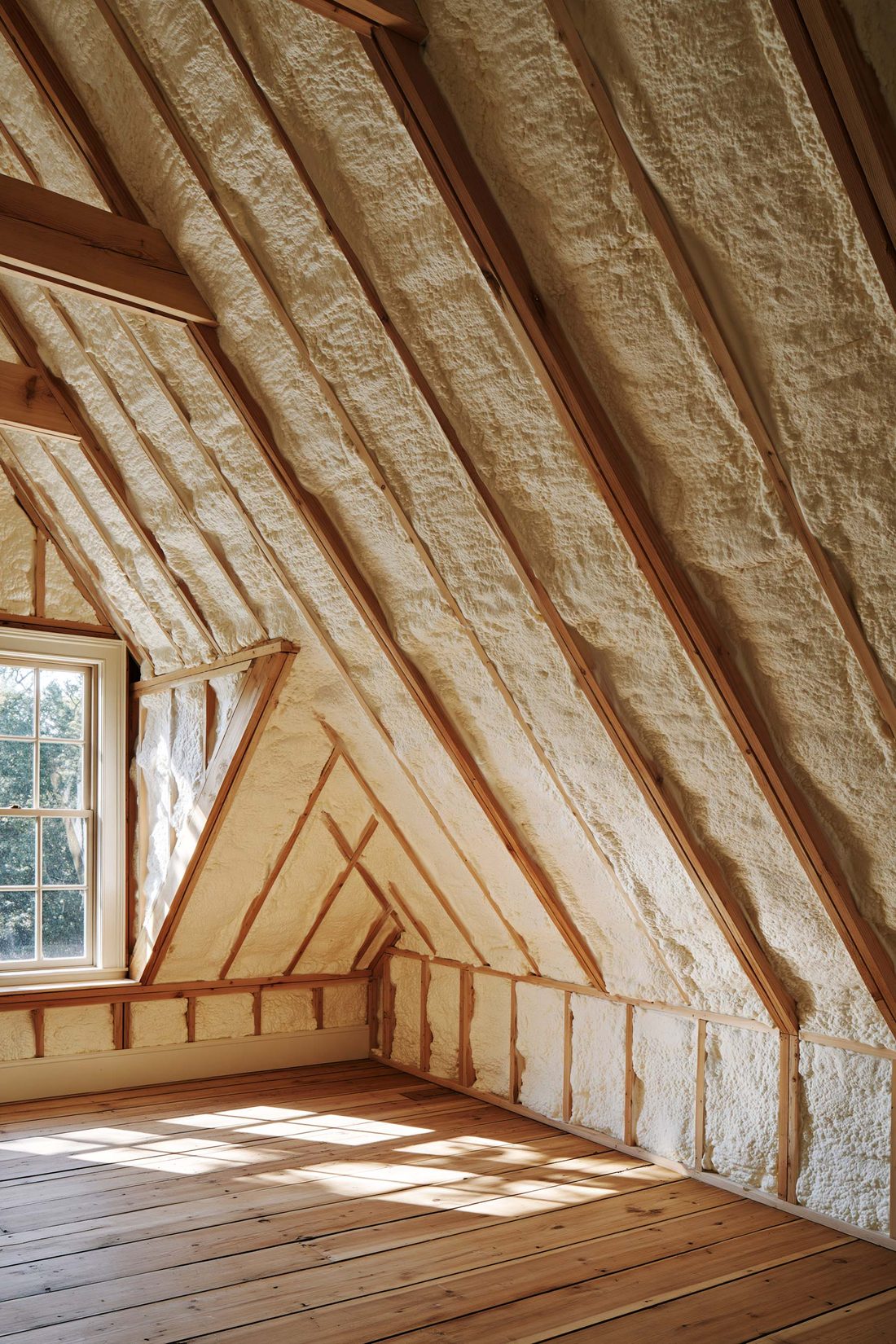
Arkansas code calls for R-49 in the attic, and most attics here run far short of it. Foam at the attic plane or the roof deck holds January heat where you paid for it and keeps the July load off your ductwork.

See Attic Options →
An attic roof deck coated in spray foam with the rafter lines showing through

Rim Joist Insulation

The band of framing where your floor system meets the foundation leaks more outside air than most whole walls. Two to three inches of closed-cell seals every joist bay in a single visit, one of the fastest-payback jobs we do.

Seal the Rim Joist →
Foam-filled rim joist bays running along a foundation wall

New Construction Spray Foam

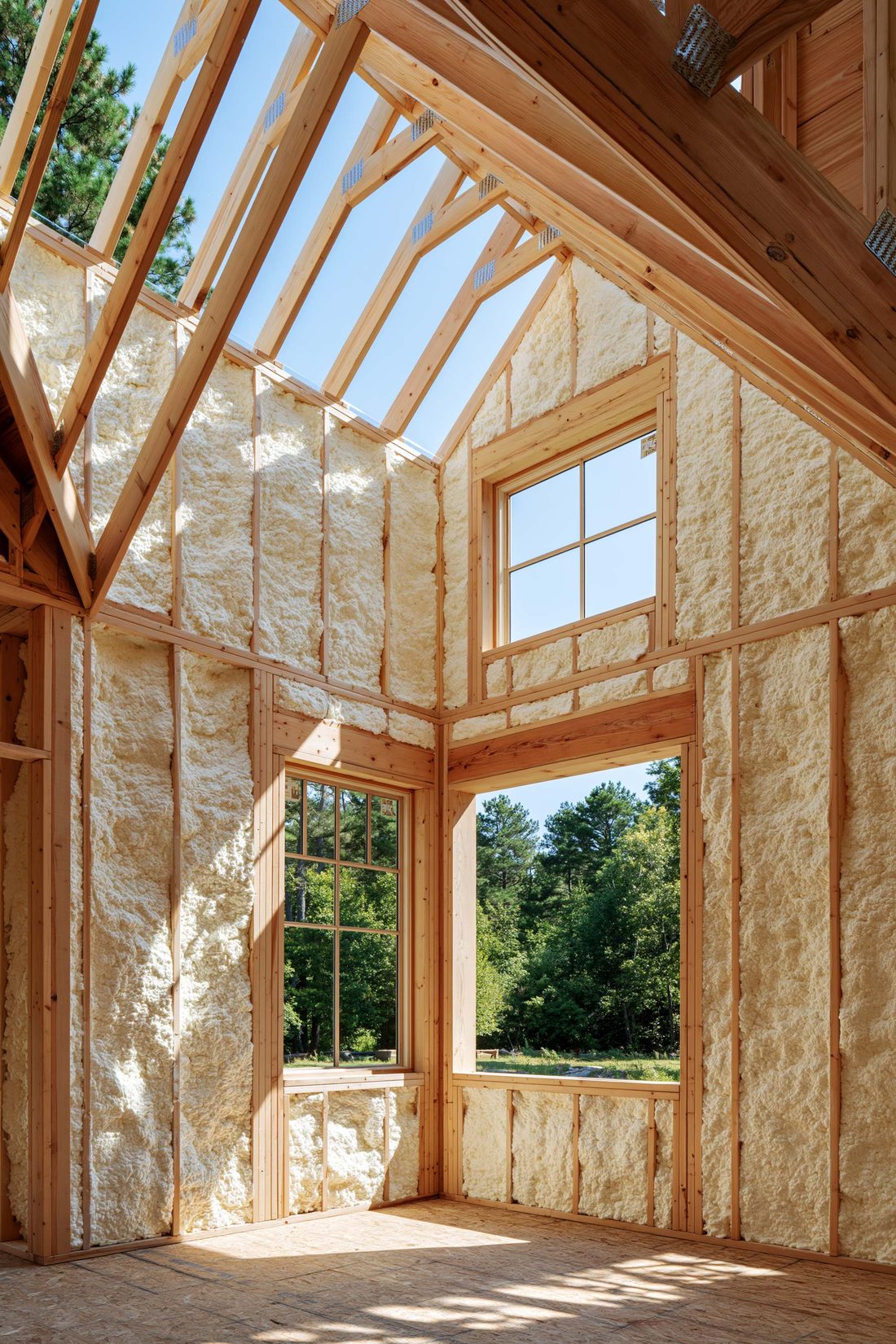
Benton and Washington County are building fast, and a foamed envelope lets a new home hit modern tightness targets in thinner assemblies. We work with builders from Bentonville to Fayetteville on schedules that keep framing crews moving.

Plan a New Build →
A framed house with foam-filled exterior walls and open roof framing above

Commercial Spray Foam Insulation

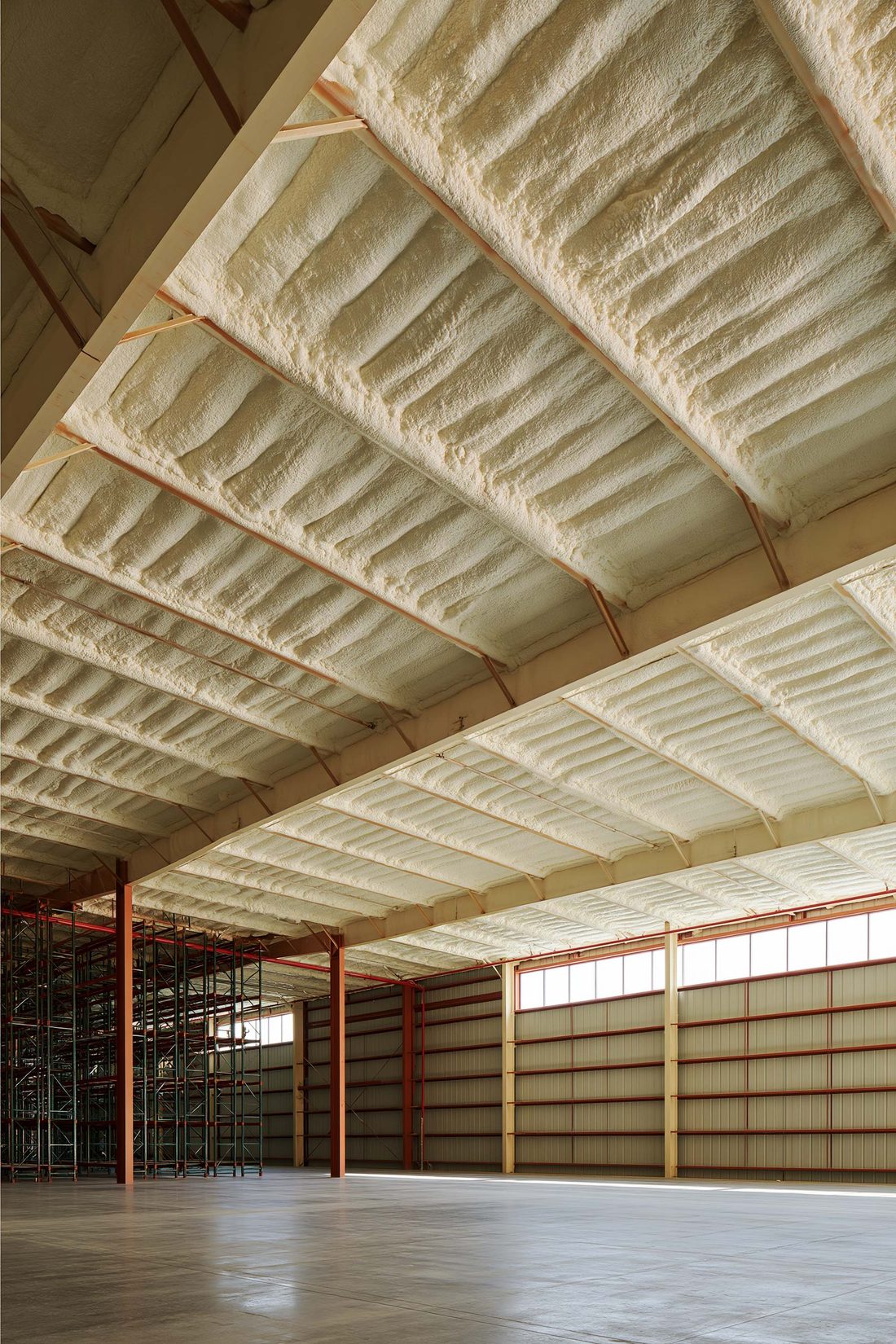
Open steel and concrete buildings lose conditioned air through every seam and fastener line. We spec foam for warehouses, shops, and offices across NWA that cuts the load on rooftop units and keeps interior surfaces dry.

Talk Commercial Work →
A steel warehouse with spray foam across the roof deck above pallet racking

Metal Building & Pole Barn Insulation

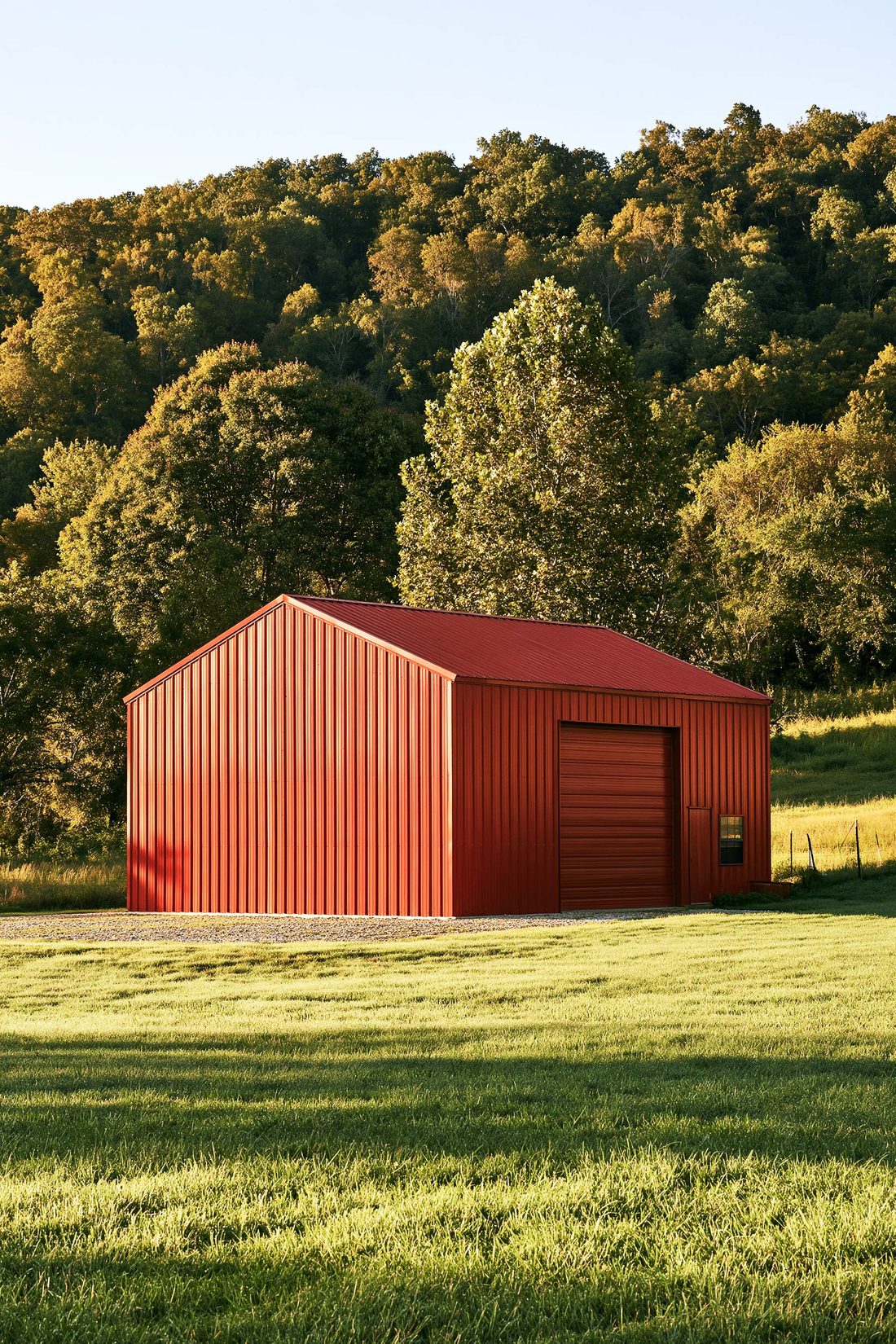
Shops, barndominiums, and pole barns are everywhere in Northwest Arkansas, and bare metal skin sweats every humid morning. Closed-cell bonded straight to the panels ends the drip and the rust and makes the building comfortable to work in twelve months a year.

Insulate a Metal Building →
A red metal shop building standing in a green Ozark pasture

Air Sealing & Energy Efficiency

Most of what your HVAC produces escapes through gaps you could cover with one hand: top plates, can lights, attic hatches, plumbing runs. We find them with instruments and close them with foam.

Find the Leaks →
A thermal camera screen showing a heat leak blooming around a ceiling light fixture

Insulation Removal

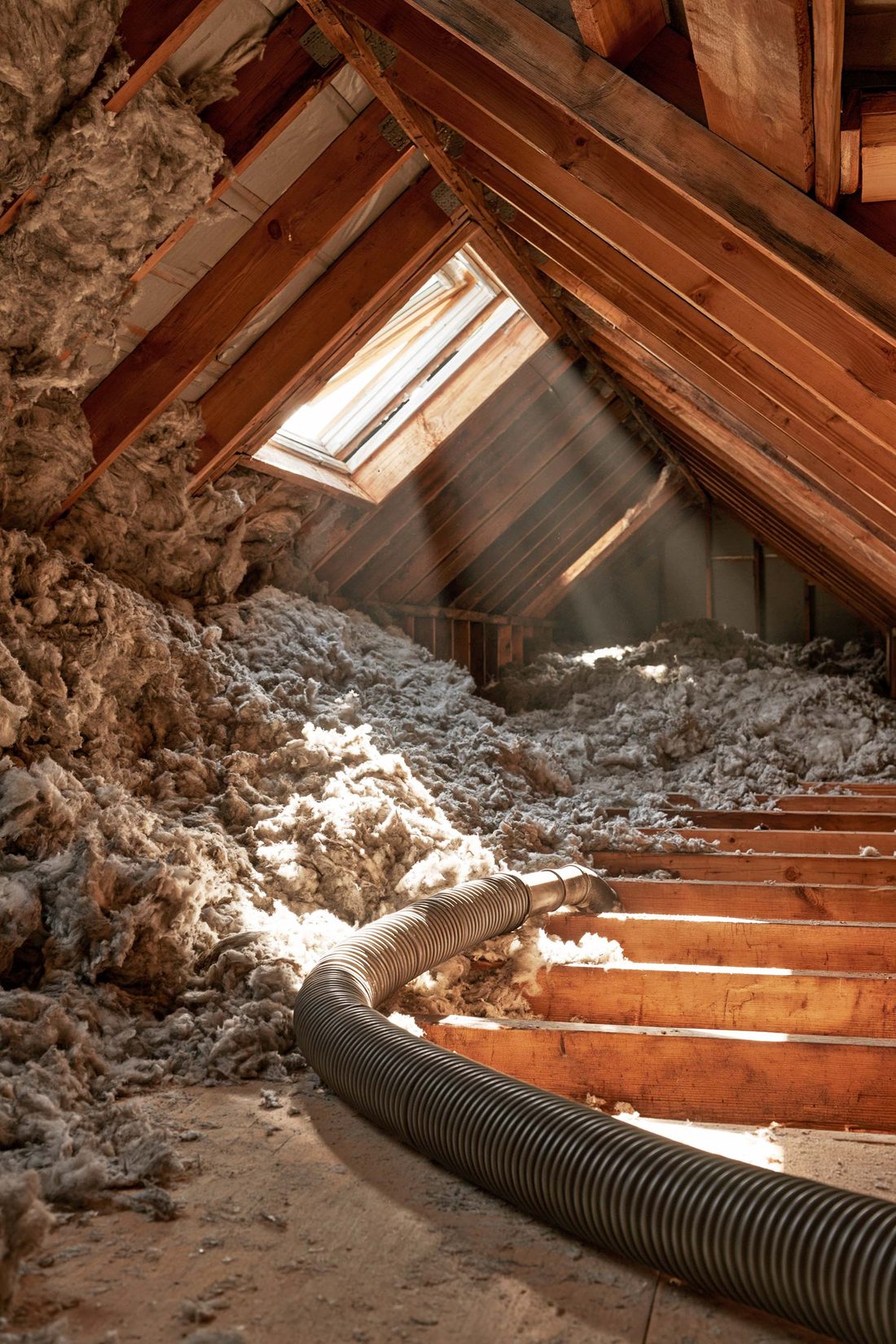
Old fiberglass or cellulose that has taken on moisture, pests, or heavy settling does not need topping up, it needs to come out. We remove contaminated material cleanly and leave cavities ready for foam, including failed spray foam from bad installs elsewhere.

See Removal Service →
An attic mid-cleanout with a vacuum hose running across old gray fiberglass

Why Our Fayetteville Insulation Jobs Start Under the Floor

Fayetteville climbs hills. From the older neighborhoods around the University of Arkansas to the new streets pushing out toward Wheeler and Farmington, houses here sit on sloped, rocky Ozark ground, and a large share of them stand on crawl space foundations. That single construction detail shapes how the house feels in every season that follows.

Northwest Arkansas sits in mixed-humid Climate Zone 4A, which means the weather asks your insulation to work in both directions. January design temperatures near 13 degrees want heat held in. A 91 degree July afternoon carrying Gulf humidity wants moist air kept out. A vented crawl space fails that second test every single summer: damp outside air drifts in through the vents, meets cool framing and duct surfaces, and condenses right under your floors. Musty rooms, cupped hardwoods, and stubborn cooling bills usually trace back to the one space nobody looks at.

Fayetteville AR Spray Foam builds the work around that reality. Spray foam insulation in Fayetteville AR has to be specified for humidity first, which is why crawl space encapsulation anchors our service list, why closed-cell goes on the surfaces that face moisture pressure, and why open-cell fills the deep framing where an assembly needs to breathe. Attics, rim joists, walls, shops, and new construction each get the material that suits the surface, not whatever happens to be loaded in the rig that day.

We look at the actual house before we quote it, and we cover the whole NWA corridor: Fayetteville, Springdale, Rogers, Bentonville, Siloam Springs, and Bella Vista.


An older residential street climbing a hill beneath mature hardwoods in full leaf

One Envelope, Two Arkansas Seasons

The same foam that holds your heat through an ice storm keeps humid air off your framing in July. Most insulation only attempts one of those jobs. Foam is the material that does both, in a single application, for the life of the house.

HUMID JULY

A Dry House From the Ground Up

Encapsulation and vapor-stopping closed-cell shut out the damp air that vented foundations invite in.

ICE STORM JANUARY

Warmth That Rides Out the Weather

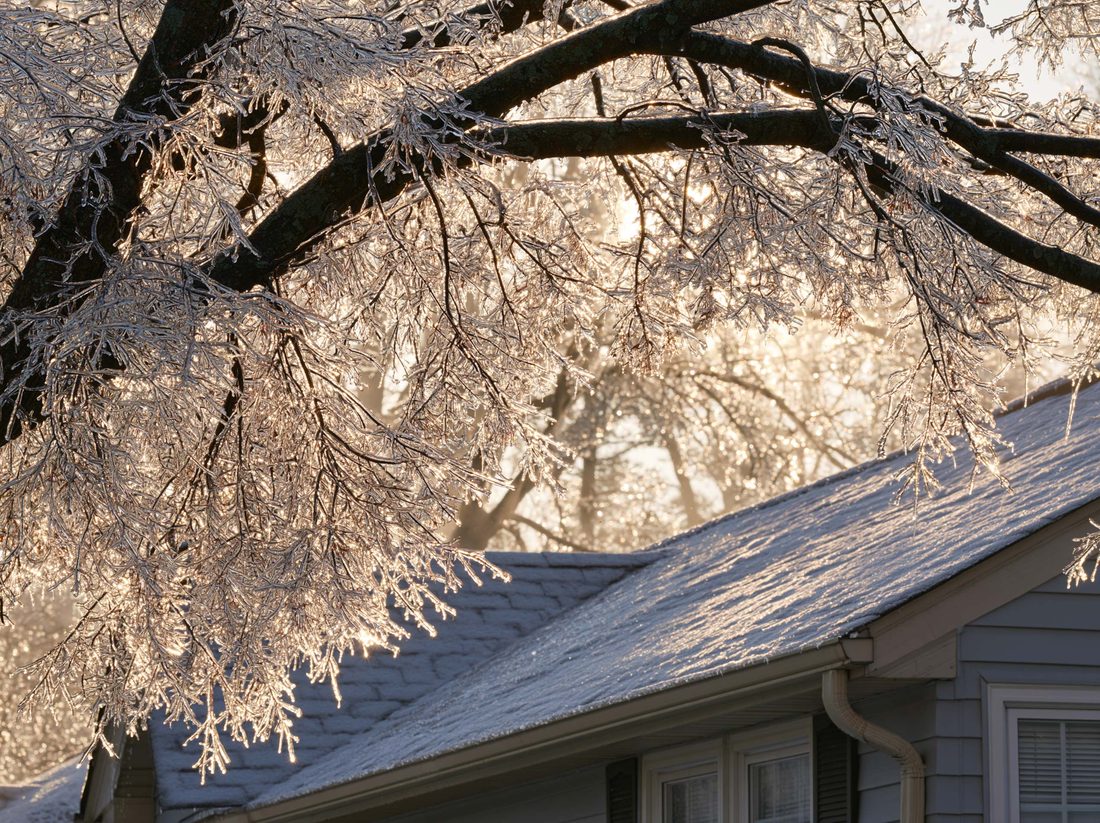
A sealed envelope holds furnace heat through glazed power lines and 13 degree nights.

LOWER BILLS

Capacity You Never Have to Buy

Tightening the envelope trims energy use 20 to 40 percent, and your HVAC feels it the first month.

INSTALL ONCE

An Upgrade That Does Not Age Out

Foam holds its performance for 80 to 100 years, and quieter rooms come along as a bonus.

Condensation beading on the inside of a window pane with green trees blurred beyond Tree limbs sheathed in clear ice above a residential roofline after an ice storm

What Happens Between Your First Call and a Finished Job

1

Look First

We inspect the attic, crawl space, and rim joists and take moisture readings before anything gets quoted.

2

Protect

Floors, ducts, and anything you own get masked and covered before the rig ever starts up.

3

Spray

Foam goes on in controlled lifts, to the exact thickness the assembly was specced for.

4

Verify

We check cured depth and coverage, haul out the trim waste, and walk the finished job with you.

How much does spray foam insulation cost in Fayetteville?

Most quotes in Northwest Arkansas price foam by the board foot, which is one square foot covered one inch thick. Open-cell typically runs $0.60 to $1.20 per board foot installed and closed-cell $1.20 to $2.50, so a 1,000 square foot attic foamed to full code depth usually runs $6,000 or more, while a flash coat of foam topped with blown-in comes in well under half of that, and a full crawl space encapsulation runs roughly $3,000 to $12,000 depending on size, condition, and whether a dehumidifier is part of the system. Worth knowing before you compare quotes: most foam contractors carry a minimum job charge of $1,000 to $2,000, because the rig has to be mobilized whether the job is small or large. The honest number for your house takes a walkthrough, which is why every estimate here starts with one.

Why are people removing spray foam insulation?

Most of the removal stories in the news come from the United Kingdom, where a wave of poorly installed open-cell foam sprayed against roof timbers created moisture problems and made some UK lenders cautious about those specific homes. That situation involves different construction methods, different roof assemblies, and different lending rules than anything in Arkansas. Foam installed to US standards, at the right thickness and on the right surfaces, does not create those problems, and American lenders treat it as a normal feature of an efficient home. Removal is the right call when foam was applied badly or the wrong product went on the wrong surface, and we handle that work too, but the fix for bad installation is good installation, not avoiding the material.

Is closed-cell or open-cell foam better for Arkansas humidity?

Closed-cell is the moisture specialist. Past about two inches it stops water vapor as well as heat, which makes it the pick for crawl space walls, rim joists, and metal buildings, anywhere humid air presses against a cool surface. Open-cell insulates and air-seals beautifully but stays vapor-open, which is exactly what you want in deep wall cavities and certain roof assemblies that need drying potential. In Zone 4A the answer is usually both, each on the surface it was made for, and the spec matters far more than the brand of foam in the rig.

Is crawl space encapsulation worth it in Northwest Arkansas?

In this climate it is usually the highest-impact project on the whole list. A vented crawl space under an Ozark home draws in humid summer air that condenses on cool framing and ductwork, and that is where mold, cupped floors, and musty smells get their start. Encapsulation seals the vents, wraps the ground and walls in reinforced vapor barrier, insulates the perimeter with closed-cell foam, and manages the air, so the space under your floor becomes dry, usable, and boring instead of a moisture engine. Homes with humidity complaints, floor problems, or high summer bills tend to feel the difference in the first season.

Can one insulation project handle both winter and summer here?

Yes, and that is the point of doing it with foam. Northwest Arkansas swings from ice storms and 13 degree design lows to 91 degree afternoons carrying near-tropical humidity, and one sealed envelope serves both ends: it holds furnace heat in January and blocks humid infiltration in July. The key is matching material to surface, closed-cell where moisture pushes, open-cell where assemblies need to breathe, and sealed air barriers at the known leak points. One project, specified correctly, works every month of the year.

A homeowner at a sunlit kitchen table with a laptop and a mug of coffee

Get Your FREE Estimate

Tell us which room never feels right, or what the crawl space smelled like last August. We will walk the house, measure it, and hand you numbers that hold. Prefer to talk it through? Call 479-316-3859.

Give your house one answer for January and July.

Call 479-316-3859